
You are using an out of date browser. It may not display this or other websites correctly.
You should upgrade or use an alternative browser.
You should upgrade or use an alternative browser.
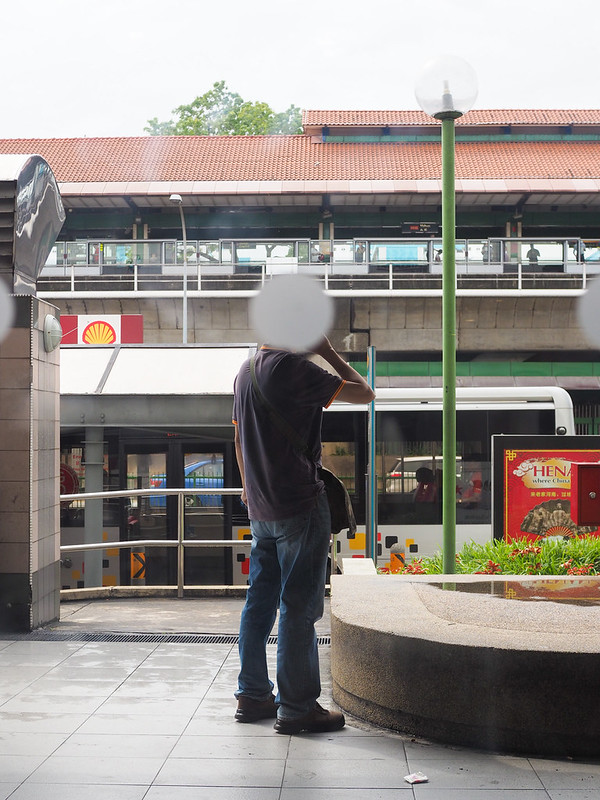
Twelve inches behind the camera
- Thread starter KonTrol
- Start date


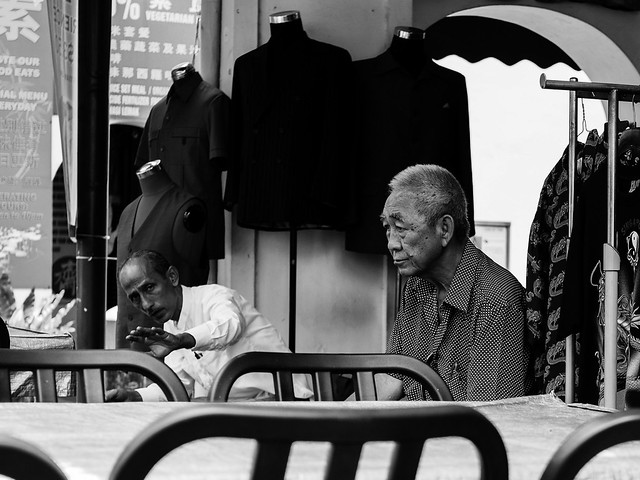


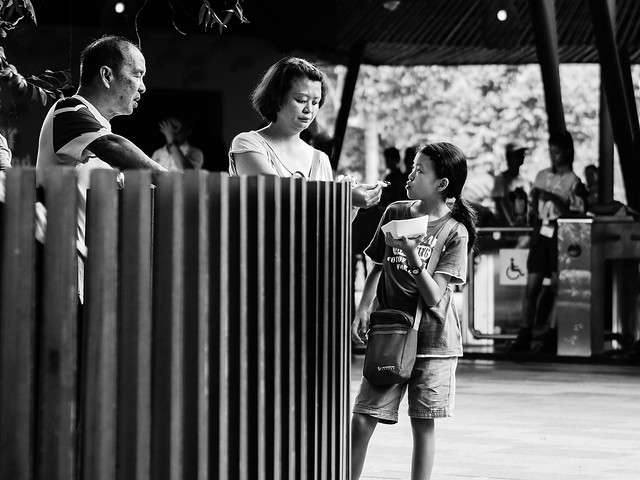
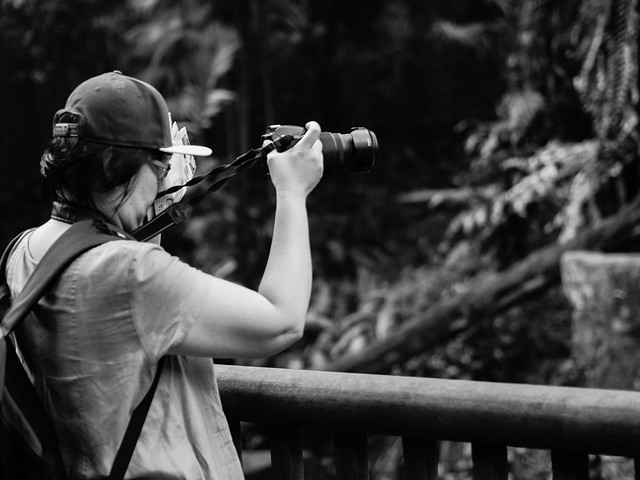

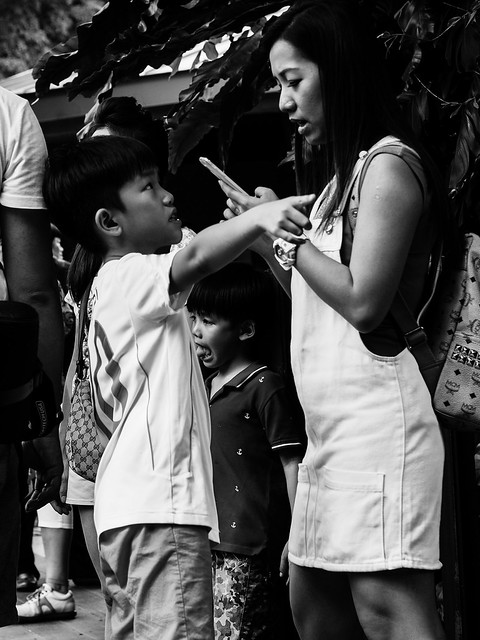




Bro did you take more shots of this scene? This scene got super potential to be hilarious man :bsmilie:
Bro did you take more shots of this scene? This scene got super potential to be hilarious man :bsmilie:
Sad to say that I only took this shot at this particular scene. May I know how to improve this shot and all my other shots for the matter?
Sad to say that I only took this shot at this particular scene. May I know how to improve this shot and all my other shots for the matter?
Ok I try, hopefully it make sense to you :sweat:. Let me quantify first, that it is easy for me to comment, but what I think I will do may or may not be practical on the real ground.....
When it comes to "fleeting" moments, most of the time you only have at most 3 seconds to nail the shot. I think for a scene like this, what you have is luxury of time. So what I will do is first get an insurance shot, something along this line:

I will snap a few just to be sure. I personally like the man behind the lamp post, it gives you an almost perfect triangle when all 3 person are linked and is an important part of the whole picture, so its important to move in closer behind the man on the left so the other 2 can be magnified. (if you were on a wider lens, I believe the result will be better to make the viewers more connected to the picture). I will not want to show the whole body of the left man, I prefer keeping his identity to myself

After getting the "insurance", I will start to "play" around the man on the left, moving your body and camera up and down to search for possible angles for weird layers. You can look thru the gaps (notice his 2 chicken wings holding on the chair?). One possibility will be hoping someone appear on the left gap doing some gesture, and keeping the sleeping man on the right chicken wing. Sometimes a little bit of waiting can be rewarding. I will also work on the stretched leg and try possibilities. Could I have the leg "stamped" on someone that is "trying" to disturb the old man who is peacefully sleeping? While doing this, be aware of the surrounding, is there something about to happen near either of the actors in the scene? It could add to the overall story so I will want to be prepared for it.
I will keep trying till either man change position or when discovered, then smile and just walk away. For me, if I encounter this kind of situation, it is common to fire 50-60 shots after getting the insurance shot, because the next time you come across a potential scene like this might be a few weeks, or even months later. I may still fail to get the desired shot, but I will definitely try, and learn from the mistakes when editing.
Since we are not reporters or journalists, we do not need to report the scene as it is. Leave room of imaginations for the viewers, and I think that is the most difficult part of street photography. It is a little bit difficult to explain this in words, so do take a look thru some of the master's work of the various collectives and hopefully you will be able to understand what I mean.
Ok I try, hopefully it make sense to you :sweat:. Let me quantify first, that it is easy for me to comment, but what I think I will do may or may not be practical on the real ground.....
When it comes to "fleeting" moments, most of the time you only have at most 3 seconds to nail the shot. I think for a scene like this, what you have is luxury of time. So what I will do is first get an insurance shot, something along this line:
I will snap a few just to be sure. I personally like the man behind the lamp post, it gives you an almost perfect triangle when all 3 person are linked and is an important part of the whole picture, so its important to move in closer behind the man on the left so the other 2 can be magnified. (if you were on a wider lens, I believe the result will be better to make the viewers more connected to the picture). I will not want to show the whole body of the left man, I prefer keeping his identity to myself
After getting the "insurance", I will start to "play" around the man on the left, moving your body and camera up and down to search for possible angles for weird layers. You can look thru the gaps (notice his 2 chicken wings holding on the chair?). One possibility will be hoping someone appear on the left gap doing some gesture, and keeping the sleeping man on the right chicken wing. Sometimes a little bit of waiting can be rewarding. I will also work on the stretched leg and try possibilities. Could I have the leg "stamped" on someone that is "trying" to disturb the old man who is peacefully sleeping? While doing this, be aware of the surrounding, is there something about to happen near either of the actors in the scene? It could add to the overall story so I will want to be prepared for it.
I will keep trying till either man change position or when discovered, then smile and just walk away. For me, if I encounter this kind of situation, it is common to fire 50-60 shots after getting the insurance shot, because the next time you come across a potential scene like this might be a few weeks, or even months later. I may still fail to get the desired shot, but I will definitely try, and learn from the mistakes when editing.
Since we are not reporters or journalists, we do not need to report the scene as it is. Leave room of imaginations for the viewers, and I think that is the most difficult part of street photography. It is a little bit difficult to explain this in words, so do take a look thru some of the master's work of the various collectives and hopefully you will be able to understand what I mean.
Thanks for spending time to give such a detailed explanation, will definitely explore other angles when out shooting next time.
Many times, I only realised (after I got home and viewed the photos closely) that I could have created a more dynamic photo/story if I moved my point of view just a little bit. I have to train my eye more and also overcome the anxiousness of being caught by the subjects, haha.
Thanks for spending time to give such a detailed explanation, will definitely explore other angles when out shooting next time.
Many times, I only realised (after I got home and viewed the photos closely) that I could have created a more dynamic photo/story if I moved my point of view just a little bit. I have to train my eye more and also overcome the anxiousness of being caught by the subjects, haha.
No problems bro.
Keep trying, I fail almost everyday when shooting, but I try to learn from those mistakes
No problems bro.
Keep trying, I fail almost everyday when shooting, but I try to learn from those mistakes
Thanks once again for the encouragement, really appreciate it.
Similar threads

- Replies
- 0
- Views
- 3K
- Replies
- 0
- Views
- 2K
- Replies
- 0
- Views
- 795
- Replies
- 0
- Views
- 935