Shine Li
New Member
Thank you, people! I picked up a few new things through all of your replies 
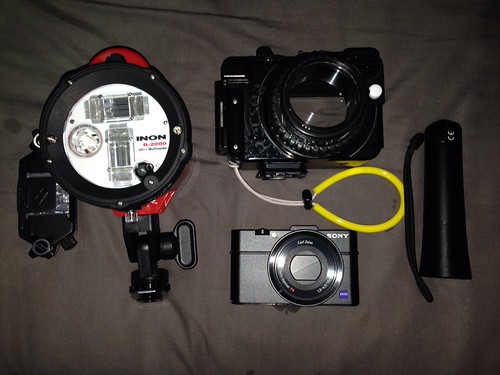
WOW. *sweat* I never thought that UW photography requires so many accessories. I ask ways thought that I need a good camera/casing and maybe a flash/fisheye lens can come later. I might need to google abit on the 'strobe' haha!
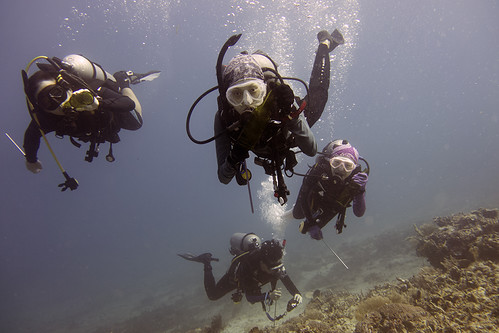
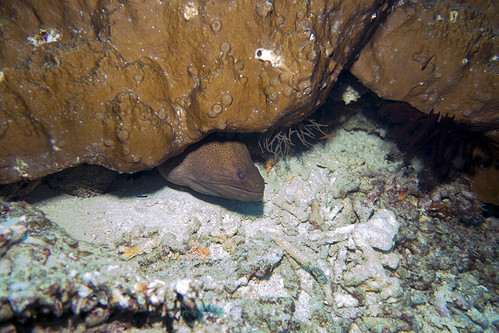
Oh yes, definitely! I might share the ones I took with the gopro hero3 (my third/fourth time using it) from my recent trip to Philippines it wasn't that great - not sure what went wrong but anyway... will upload it and maybe yall can gimme a few pointers
WOW. *sweat* I never thought that UW photography requires so many accessories. I ask ways thought that I need a good camera/casing and maybe a flash/fisheye lens can come later. I might need to google abit on the 'strobe' haha!
Oh yes, definitely! I might share the ones I took with the gopro hero3 (my third/fourth time using it) from my recent trip to Philippines
it wasn't that great - not sure what went wrong but anyway... will upload it and maybe yall can gimme a few pointers