boss,
this 1 i a bit lost of wat u trying to say. wat is keystone effect?
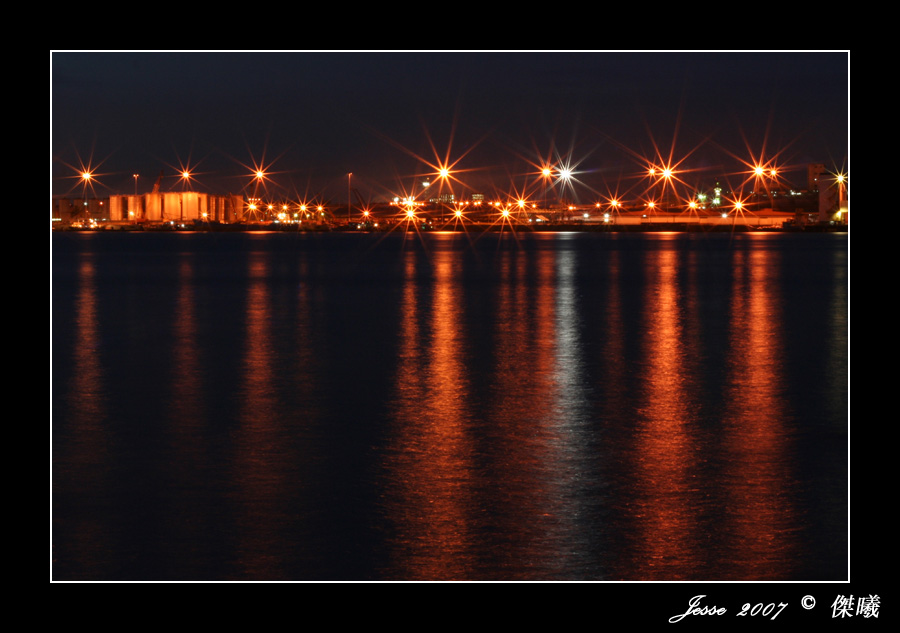
as for composition wise, after i came back then i relised that i can make it better if take at the lower angle. i was on knee height, i was thinking if i shot it lying down will it be better?
when i was PP-ing this pics, it was in the middle of the night and outside my house was TOTAL quietness. it give me the creepy feeling and i just quickly get it done and over with. :embrass:
jay the timid
hahahaha no no please, not that free, just that i decided to not attend a function that would have taken quite a chunk out of my weekend. so i'm catching up on homework. but have to rest what, so just do a quick one.
in wikipedia, this is the definition of keystone effect.
The Keystone effect is caused by attempting to project an image onto a surface at an angle, as with a projector not quite centered onto the screen it is projecting on. It is a distortion of the image dimensions, making it look like a trapezoid. In the typical case of a projector sitting on a table, and looking upwards to the screen, the image is larger at the top than on the bottom. Some areas of the screen may not be focused correctly as the projector lens is focused at the average distance only.
so basically the best explanation of a keystone effect or what others call "converging vertical" is when you go to a tall building's foot, and look up. is it vertical any longer? no it isn't, all the verticals are CONVERGING to a certain point, that is the keystone effect. it is usually present more often than not when you shoot at wide angles, and angle your camera up. to avoid this, you can simply place your camera's back parallel to the vertical. this is also why tripods have a spirit level, not just to avoid tilting horizontals, but also keystone effect.
this lomo picture of mine does demonstrate keystone effect pretty well,just look at the hdb blocks, they are tilted, yet you can see that the top of the lower building at the bottom is almost horizontal. keystone effect can WORK for you in certain aspects, but when it does not work, as in this case, and can be easily corrected, then you shoot.
actually, for that shot you can shoot at that original level of height, just tilt your camera upwards more. i.e. the bottom part of your camera nearer the ground should be moving up, if you catch my drift. if you still do not get it, get your camera, set it at the widest angle, and walk to a corner of your room where there is a vertical line? look down through the lens, and then slowly shift the camera perspective up. note how the vertical changes. there is only ONE point where the vertical is truly vertical, and this is when your camera back itself is parallel to the vertical.